If you don't have a good drive and a clean disc you may get skipping/jitter and thus possibly never get a AR or CueTools DB match. (CTDB has parity records that can be used to repair some small errors.) This is the point of the elaborate re-read stuff Exact Audio Copy or cdparanoia does. Though even with a good drive you ought to be using a tool that checks for C2 errors, and that won't necessarily catch everything; error correction and detection is always probabilistic.
Also not everything is in AR/CTDB. Maybe 3% of the 1000+ CDs I've ripped had no records yet, though I do tend towards the obscure. I rip these again with EAC, which is set up to automatically do CTDB submission. (Usually I'm using the redumper tool which has some specialized features.)
Without external verification it's best to dump it twice and ensure they're bit equal, preferably with a different drive to minimize error correlation.
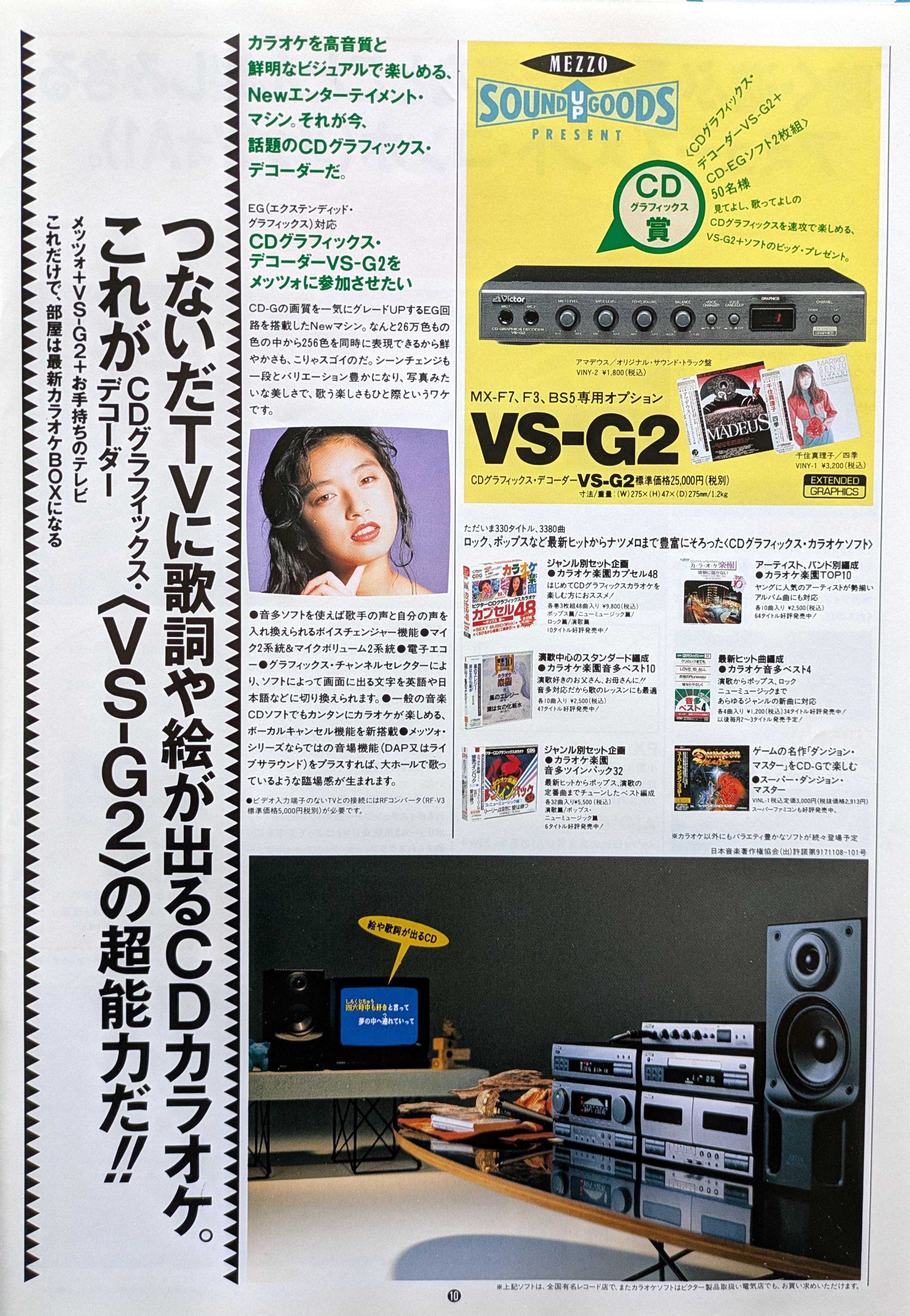
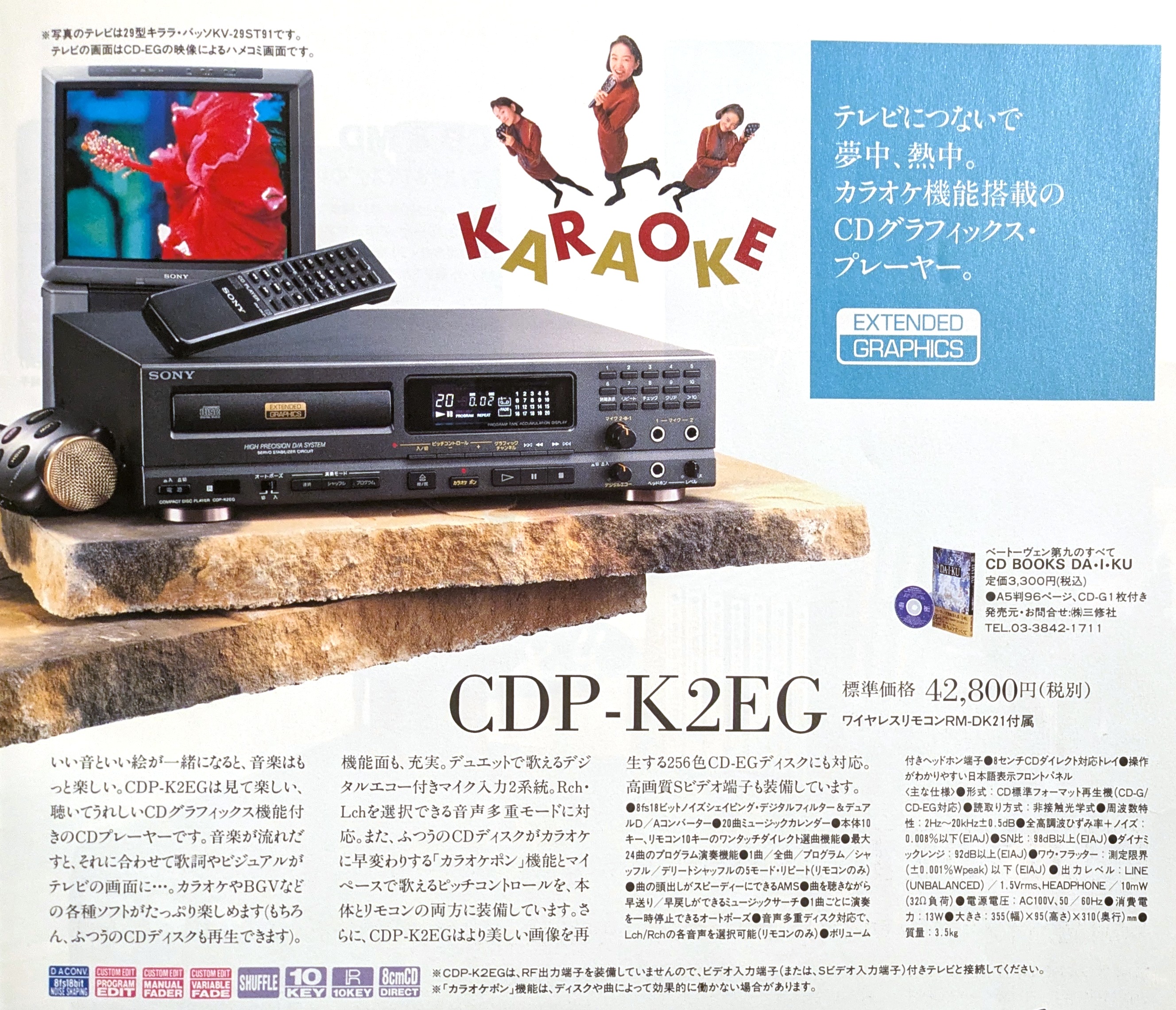
There was integrated support in a karaoke machine from Victor (KX-G1-H) and a CD player from Sony (CDP-K2EG, '94 catalog: https://extended.graphics/images/CDP-K2EG-94.2-full.jpg). There were varying levels of support on the NEC PC-FX and some CD-i systems (GoldStar in particular). I've also seen the logo on some LaserDisc players but never tested one.
The Sega Saturn is the best and easiest to find, though! As far as I know there hadn't been a commercial CD+EG disc released since 1992, and the Saturn was out in 1994, but I guess it was just a little extra BIOS code by then.
Though it looks like these folks are thinking about blocking from near the star, which requires megastructures for anything detectable. I haven't done even back of the envelope calculations but I'd guess the limiting factor is you'd only be causing an eclipse/transit in an unusably narrow angle directly behind the craft. As you get closer the cone expands but the signal weakens.
Popup blood donation sites are pretty common in the US, too, though run by orgs like the Red Cross. I've done it a few times, there's no payment involved besides some free snacks + drinks.
It's pretty much the norm now and I think late UE4 in AAA games is what really pushed it?
It's cheap and simple to setup, and most games rely on TAA to make it less annoying.
But TAA sucks! And TAA encourages all sorts of extremely lazy workflows and graphical effects because it will clean them up a little, but they look so bad without it.
I hate it. Raytracing is part of this. It's all just really big companies with billions of dollars cheaping out on authoring good visuals.
Microsoft flight simulator has weird sparkly shadows because it's tracing a few hundred rays and expects you to use TAA to cover it up and it's so bad. Same exact story for reflections.
So now companies expect you to buy $800 GPUs that chew through half a kilowatt of power so that they can be lazy and not care how poorly they've authored their assets and don't really have to consider anything about their visuals.
This is what I'm doing for my game, I didn't know it was actually a thing in some big titles too, that's reassuring. I landed on it because it was a huge code simplification compared to every other method of handling transparency, and it doesn't look completely shit in the era of high resolutions and frame rates.
I just implemented it for a VR app I’ve been working on where the semi-transparent objects can appear any which way, intersecting, etc. I didn’t realize how much of an issue that’d be…or how hard it’d be to come up with a shader for dithering in VR that doesn’t look awful. I’m still not super happy with what I have - it moves along with the player’s eyes - but every other solution I could come up with didn’t interact well with two screens, especially at far distances from the object. Moire for days.
First time I saw it was in the original Unreal game (1998) when using the software renderer. It had this very distinct asymmetric dithering pattern.
Can't find a screenshot of it on short order, seems most screenshots are either of unrelated newer Unreal Engine or use hardware rendering which doesn't show this dithering.


Also not everything is in AR/CTDB. Maybe 3% of the 1000+ CDs I've ripped had no records yet, though I do tend towards the obscure. I rip these again with EAC, which is set up to automatically do CTDB submission. (Usually I'm using the redumper tool which has some specialized features.)
Without external verification it's best to dump it twice and ensure they're bit equal, preferably with a different drive to minimize error correlation.
reply